

We go to the ends of the Earth to source
the purest, most effective ingredients.
Proprietary Enzyme Blend

Proprietary Enzyme Blend
Supports immune system functions. Improves the body's ability to absorb vitamins and minerals. Promotes healthy cell growth. Removes toxins from the body. Promotes healthy body weight. Promotes gum and tooth health.
Proprietary Enzyme Blend

Probiotic Blend
Probiotic Blend
Bacillus subtilis, Bacillus coagulans, Lactobacillus acidophilus, Enterococcus faecium)
Probiotic Blend
The nine independent studies show the ability of probiotic strains to establish themselves in the canine gastrointestinal tract, alter the composition of intestinal microbiota and metabolites (organic acids), and modulate the physiology (serum biochemical parameters) and immunity parameters in dogs. → Health benefits observed after probiotic Lactobacillus fermentum CCM 7421 application in dogs Viola Strompfová, Ivana Kubašová, Andrea Lauková Want to learn more about this incredible ingredient and its effects? See more through these science articles: Probiotic characterization of Lactobacillus isolates from canine faeces. Coman MM, Verdenelli MC, Cecchini C, Belà B, Gramenzi A, Orpianesi C, Cresci A, Silvi S. J Appl Microbiol. 2019 Apr;126(4):1245-1256. doi: 10.1111/jam.14197. Epub 2019 Feb 18. PMID: 30614169 Comparative genomics of canine Lactobacillus reuteri reveals adaptation to a shared environment with humans. Son S, Oh JD, Lee SH, Shin D, Kim Y. Genes Genomics. 2020 Sep;42(9):1107-1116. doi: 10.1007/s13258-020-00978-w. Epub 2020 Aug 6. PMID: 32761525 Health benefits observed after probiotic Lactobacillus fermentum CCM 7421 application in dogs. Strompfová V, Kubašová I, Lauková A. Appl Microbiol Biotechnol. 2017 Aug;101(16):6309-6319. doi: 10.1007/s00253-017-8425-z. Epub 2017 Jul 18. Characterization of Lactobacillus rhamnosus MP01 and Lactobacillusplantarum MP02 and Assessment of Their Potential for the Prevention of Gastrointestinal Infections in an Experimental Canine Model. Fernández L, Martínez R, Pérez M, Arroyo R, Rodríguez JM. Front Microbiol. 2019 May 24;10:1117. doi: 10.3389/fmicb.2019.01117. eCollection 2019. Randomized, controlled trial evaluating the effect of multi-strain probiotic on the mucosal microbiota in canine idiopathic inflammatory bowel disease. White R, Atherly T, Guard B, Rossi G, Wang C, Mosher C, Webb C, Hill S, Ackermann M, Sciabarra P, Allenspach K, Suchodolski J, Jergens AE. Gut Microbes. 2017 Sep 3;8(5):451-466. doi: 10.1080/19490976.2017.1334754. Epub 2017 Jul 5. Comparative assessment of canine-origin Lactobacillus johnsonii CPN23 and dairy-origin Lactobacillus acidophillus NCDC 15 for nutrient digestibility, faecal fermentative metabolites and selected gut health indices in dogs. Kumar S, Pattanaik AK, Sharma S, Gupta R, Jadhav SE, Dutta N. J Nutr Sci. 2017 Jul 31;6:e38. doi: 10.1017/jns.2017.35. eCollection 2017. Probiotic Potential of a Lactobacillus Bacterium of Canine Faecal-Origin and Its Impact on Select Gut Health Indices and Immune Response of Dogs. Kumar S, Pattanaik AK, Sharma S, Jadhav SE, Dutta N, Kumar A. Probiotics Antimicrob Proteins. 2017 Sep;9(3):262-277. doi: 10.1007/s12602-017-9256-z. The canine isolate Lactobacillus acidophilus LAB20 adheres to intestinal epithelium and attenuates LPS-induced IL-8 secretion of enterocytes in vitro. Kainulainen V, Tang Y, Spillmann T, Kilpinen S, Reunanen J, Saris PE, Satokari R. BMC Microbiol. 2015 Jan 16;15(1):4. doi: 10.1186/s12866-014-0337-9. Complementary effect of oral administration of Lactobacillus paracasei K71 on canine atopic dermatitis. Ohshima-Terada Y, Higuchi Y, Kumagai T, Hagihara A, Nagata M. Vet Dermatol. 2015 Oct;26(5):350-3, e74-5. doi: 10.1111/vde.12224. Epub 2015 Jun 30. Influence of Lactobacillus kefiri on Intestinal Microbiota and Fecal IgA Content of Healthy Dogs. Gaspardo A, Zannoni A, Turroni S, Barone M, Sabetti MC, Zanoni RG, Forni M, Brigidi P, Pietra M. Front Vet Sci. 2020 Apr 2;7:146. doi: 10.3389/fvets.2020.00146. eCollection 2020. A canine-specific probiotic product in treating acute or intermittent diarrhea in dogs: A double-blind placebo-controlled efficacy study. Gómez-Gallego C, Junnila J, Männikkö S, Hämeenoja P, Valtonen E, Salminen S, Beasley S. Vet Microbiol. 2016 Dec 25;197:122-128. doi: 10.1016/j.vetmic.2016.11.015. Epub 2016 Nov 17. Effects of probiotic Lactobacillus acidophilus D2/CSL (CECT 4529) on the nutritional and health status of boxer dogs. Marelli SP, Fusi E, Giardini A, Martino PA, Polli M, Bruni N, Rizzi R. Vet Rec. 2020 Aug 22;187(4):e28. doi: 10.1136/vr.105434. Epub 2020 Mar 16. Oral Administration of Compound Probiotics Improved Canine Feed Intake, Weight Gain, Immunity and Intestinal Microbiota. Xu H, Huang W, Hou Q, Kwok LY, Laga W, Wang Y, Ma H, Sun Z, Zhang H. Front Immunol. 2019 Apr 2;10:666. doi: 10.3389/fimmu.2019.00666. eCollection 2019. The probiotic potential of Lactobacillus plantarum strain RW1 isolated from canine faeces. Raheem A, Wang M, Zhang J, Liang L, Liang R, Yin Y, Zhu Y, Yang W, Wang L, Lv X, Jia Y, Tong Q, Zhang G. J Appl Microbiol. 2021 Oct 28. doi: 10.1111/jam.15341. Online ahead of print. Assessment of in vitro oxalate degradation by Lactobacillus species cultured from veterinary probiotics. Cho JG, Gebhart CJ, Furrow E, Lulich JP. Am J Vet Res. 2015 Sep;76(9):801-6. doi: 10.2460/ajvr.76.9.801. Safety and efficacy of Lactobacillus reuteri NBF-1 (DSM 32203) as a feed additive for dogs. EFSA Panel on Additives and Products or Substances used in Animal Feed (FEEDAP), Bampidis V, Azimonti G, Bastos ML, Christensen H, Dusemund B, Kouba M, Kos Durjava M, López-Alonso M, López Puente S, Marcon F, Mayo B, Pechová A, Petkova M, Ramos F, Sanz Y, Villa RE, Woutersen R, Chesson A, Cocconcelli PS, Wallace RJ, Rychen G, Brozzi R, Saarela M. EFSA J. 2019 Jan 11;17(1):e05524. doi: 10.2903/j.efsa.2019.5524. eCollection 2019 Jan.Hyaluronic Acid

Hyaluronic Acid
Naturally produced in the body (hyaluronan) and functions to retain water, this substance promotes lubrication and strengthens connective tissue while also decreasing joint inflammation, all of which makes it easier for pets to stay comfortably active.
Hyaluronic Acid
This study showed that people with joint discomfort who ate a supplemented food containing hyaluronic acid long-term (90 days) showed improvement of functional quality-of-life parameters related to joint health and reduced articular pain intensity. Bloodwork parameters also indicated synovial effusion and improved knee muscular strength indicators as compared to placebo.
→ Blood cells transcriptomics as source of potential biomarkers of articular health improvement: effects of oral intake of a rooster combs extract rich in hyaluronic acid. Sánchez J, Bonet ML, Keijer J, van Schothorst EM, Mölller I, Chetrit C, Martinez-Puig D, Palou A. Genes Nutr. 2014 Sep;9(5):417.
Want to learn more about this incredible ingredient and its effects? See more through these 2 articles:
A low-fat yoghurt supplemented with a rooster comb extract on muscle jointfunction in adults with mild knee pain: a randomized, double blind, parallel, placebo-controlled, clinical trial of efficacy. Solà R, Valls RM, Martorell I, Giralt M, Pedret A, Taltavull N, Romeu M, Rodríguez À, Moriña D, Lopez de Frutos V, Montero M, Casajuana MC, Pérez L, Faba J, Bernal G, Astilleros A, González R, Puiggrós F, Arola L, Chetrit C, Martinez-Puig D. Food Funct. 2015 Nov;6(11):3531-9. FlexPro MD, a Combination of Krill Oil, Astaxanthin and Hyaluronic Acid, Reduces Pain Behavior and Inhibits Inflammatory Response in Monosodium Iodoacetate-Induced Osteoarthritis in Rats. Park MH, Jung JC, Hill S, Cartwright E, Dohnalek MH, Yu M, Jun HJ, Han SB, Hong JT, Son DJ. Nutrients. 2020 Mar 30;12(4):956.Lonza Collagen Type 2™

Lonza Collagen Type 2™
A very powerful and beneficial type of collagen that that directs the synthesis of collagen and regeneration in the joints of the dog.
Lonza Collagen Type 2™
The study finds that een at the smaller dosages, UC-II has also been reported to be more effective than the glucosamine and chondroitin sulfate supplements, which are the supplements most frequently used in the market.
→ Undenatured Type II Collagen (UC-II) in Joint Health and Disease: A Review on the Current Knowledge of Companion Animals Gencoglu, H., Orhan, C., Sahin, E. Sahin, K. Animals (2020), April 2020; 10, 697.
Want to learn more about this incredible ingredient and its effects? See more through these 5 scientific articles: Therapeutic Efficacy and Safety of Undenatured Type II Collagen Singly or in Combination with Glucosamine and Chondroitin in Arthritic Dogs. Toxicol Mech Methods, 17, 189-196. 2 Pearson W., Pezzali J.G., Donadelli R.A., Wagner A., and Buff P. (2020) The Time Course of Inflammatory Biomarkers Following a One-Hour Exercise Bout in Canines: A Pilot Study. Animals, 10(3), 486. Therapeutic efficacy of undenatured type-II collagen. Gupta, R.C. et. al. (2009) J. vet. Pharmacol. Therap. 32, 577–584. Undenatured type II collagen mitigates inflammation and cartilage degeneration in healthy Labrador Retrievers during an exercise regimen. J. L. Varney,et. Al. (2021) Transl. Anim. Sci. 2021.5:1-10. Evaluation of the Effects of Undenatured Type II Collagen (UC-II) as Compared to Robenacoxib on the Mobility Impairment Induced by Osteoarthritis in Dogs. Marzia Stabile, Rossella Samarelli, et. al. Vet. Sci. 2019, 6, 72.Optimum Zinc™

Optimum Zinc™
Special chelate zinc source that cooperates with the needs of the dog Zinc is involved in every process in our cells. Nearly 1/3 of the genome has zinc as a structural or an enzymatic component, making it the king of trace elements.
Optimum Zinc™
Pets have a wide range of metal requirements and it is a bonus for formulators to be able to utilize a mineral that cooperates with the needs of the pet. Strongly chelated minerals like Optimins have the ability to synchronize the absorption of the metal with the needs of the pet. We refer to this process as “up and down regulation” and it improves the probability of nutritional success.
Benefits of Optimin organic trace minerals • Optimin allows the animal to control how much trace mineral is absorbed, moment to moment, thus more closely matching their exact requirements – Mimicking Mother Nature. • Optimin enhances an animal’s ability to overcome numerous stressful nutritional and physiological conditions. • Optimin supports reproductive performance. • Optimin is used for partial replacement of inorganic trace minerals or other organic trace minerals to improve availability and utilization of trace minerals. • Optimin products are produced by a natural process in a dedicated FAMI-QS and Safe Food Safe Feed facility. • Quality control procedures are performed on incoming materials and every batch to ensure quality, safety, performance and traceability of Optimin organic trace minerals.QRILL Pet AstaOmega ™

QRILL Pet AstaOmega ™
The long-chain omega-3 fatty acids in krill help dogs develop and support older hounds' mental faculties, making krill an ideal brain food for both age groups, in addition to ultra active dogs.
QRILL Pet AstaOmega ™
This study showed that krill meal supplementation led to significantly higher omega-3 index, which correlated with lower inflammation and a tendency for reduced muscle damage after this long-distance sled dog competition.
→ Effects of dietary supplementation with krill meal on serum pro-inflammatory markers after the iditarod sled dog race. Burri, L. et al (2018). Research in Veterinary Science, 121, pp. 18-22.
Want to learn more about this outstanding omega and its effects? See more with these 3 science articles:
Phosphatidylcholine from krill increases plasma choline and its metabolites in dogs. Burri, L. et al (2019). Veterinary World, 12(5), pp. 671-676. Effects of different omega-3 sources, fish oil, krill oil, and green-lipped mussel against cytokine-mediated canine cartilage degradation. Buddhachat K, Siengdee P, Chomdej S, Soontornvipart K, Nganvongpanit K. In Vitro Cell Dev Biol Anim. 2017 May;53(5):448-457. Enhanced omega-3 index after long- versus short-chain omega-3 fatty acid supplementation in dogs. Dominguez TE, Kaur K, Burri L. Vet Med Sci. 2021 Mar;7(2):370-377.Wild Alaskan Salmon Oil
Wild Alaskan Salmon Oil
Salmon oil is a rich source of the omega-3 fats DHA and EPA. Consuming omega-3s from salmon oil is associated with a variety of health benefits, including reducing inflammation, aiding weight management, and boosting heart and brain health.
Wild Alaskan Salmon Oil
Findings in the study show a decrease the production of inflammatory mediators (eicosanoids, cytokines, and reactive oxygen species) and the expression of adhesion molecules. They act both directly by inhibiting acid metabolism and indirectly by altering the expression of inflammatory genes through effects on transcription factor activation. Thus, Wild Alaskan Salmon oil is a potentially potent anti-inflammatory agent. As such, they may be of therapeutic use in a variety of acute and chronic inflammatory settings.
→ n−3 Polyunsaturated fatty acids, inflammation, and inflammatory diseases Philip C Calder
Taurine

Taurine
Taurine is an Amino Acid that is necessary for normal heart function. Methylation is a critical part of one carbon metabolism in the body that produces many beneficial compounds as well as anti-inflammatory and antioxid
Taurine
The findings of this study suggest that a that novel evidences are emerging regarding taurine mechanism of action, ranging from modulation of muscle metabolism to control of gene transcription, as well as in the species-specific mechanisms underlying its intracellular levels in both chronic and acute conditions. Taurine: the appeal of a safe amino acid for skeletal muscle disorders De Luca, A. et al (2015). J Transl Med
Want to learn more about this remarkable amino acid and its effects? See more through these 9 additional articles:
Special topic: The association between pulse ingredients and canine dilated cardiomyopathy: addressing the knowledge gaps before establishing causation1 Mansilla, W. D. et al (2019). , 97(3), pp. 983–997. Diet-associated dilated cardiomyopathy in dogs: what do we know? Freeman, L. M. et al (2018). JAVMA, 253(11), pp. 1390–1394. Metabolic variations in canine overweight. Aspects of lipid metabolism in spontaneously overweight Labrador Retriever dogs. Söder, J. et al (2018). Acta Universitatis Agriculturae Sueciae, 62. Doctoral thesis Swedish University of Agricultural Sciences Uppsala., Taurine: the appeal of a safe amino acid for skeletal muscle disorders De Luca, A. et al (2015). J Transl Med, Tissue Depletion of Taurine Accelerates Skeletal Muscle Senescence and Leads to Early Death in Mice Ito, T. et al (2014). PLoS ONE, 9(9), p. e107409. Taurine Depletion-Related Cardiomyopathy in Animals Ito, T. et al (2012). , Metabonomic Investigations of Aging and Caloric Restriction in a Life-Long Dog Study Wang, Y. et al (2007). J. Proteome Res., 6(5), pp. 1846–1854. Taurine and Carnitine in Canine Cardiomyopathy. Sanderson, S. L. et al (2006). Veterinary Clinics of North America: Small Animal Practice, 36(6), pp. 1325–1343. Taurine deficiency in dogs with dilated cardiomyopathy: 12 cases (1997-2001) Fascetti, A. J. et al (2003). Journal of the American Veterinary Medical Association, 223(8), pp. 1137–1141.Ashwagandha
Ashwagandha
This powerful adaptogen supports normal endocrine, hormonal, and enzyme systems and can help your fur buddy cope with external stresses.
Ashwagandha
The findings of this study suggest that a high-concentration full-spectrum Ashwagandha root extract safely and effectively improves an individual’s resistance towards stress and thereby improves self-assessed quality of life.
→ A prospective, randomized double-blind, placebo-controlled study of safety and efficacy of a high-concentration full-spectrum extract of Ashwagandha root in reducing stress and anxiety in adults. Chandrasekhar, K., Kapoor, J., & Anishetty, S. (2012). Indian journal of psychological medicine, 34(3), 255.
Want to learn more about this remarkable root and its effects? See more through these 20 additional articles:
Efficacy of Ashwagandha (Withania somnifera [L.] Dunal) in improving cardiorespiratory endurance in healthy athletic adults Choudhary, B., Shetty, A., & Langade, D. G. (2015). Ayu, 36(1), 63. Examining the effect of Withania somnifera supplementation on muscle strength and recovery: a randomized controlled trial Wankhede, S., Langade, D., Joshi, K., Sinha, S. R., & Bhattacharyya, S. (2015). Journal of the International Society of Sports Nutrition, 12(1), 43. Body Weight Management in Adults Under Chronic Stress Through Treatment With Ashwagandha Root Extract: A Double-Blind, Randomized, Placebo-Controlled Trial Choudhary, D., Bhattacharyya, S., & Joshi, K. (2017). Journal of evidence-based complementary & alternative medicine, 22(1), 96-106. Efficacy and Safety of Ashwagandha (Withania somnifera (L.) Dunal) Root Extract in Improving Memory and Cognitive Functions Choudhary, D., Bhattacharyya, S., & Bose, S. (2017). Journal of Dietary Supplements, 1-14. Chicago Efficacy and Safety of Ashwagandha ( Withania somnifera) Root Extract in Insomnia and Anxiety: A Double – blind, Randomized, Placebo-controlled study. Langade, D., Kanchi, S., Salve, J., Debnath, K., & Ambegaokar, D (2019). Cureus, 11(9), e5797. Efficacy and Tolerability of Ashwagandha Root Extract in the Elderly for Improvement of General Well-being and Sleep: A Prospective, Randomized, Double-blind, Placebo-controlled Study. Kelgane, S. B., Salve, J., Sampara, P., & Debnath, K. (2020)l. Cureus, 12(2), e7083. Clinical evaluation of the pharmacological impact of ashwagandha root extract on sleep in healthy volunteers and insomnia patients: A double-blind, randomized, parallel group, placebo-controlled study. Langade, D., Thakare, V., Kanchi, S., & Kelgane, S. (2020). Journal of Ethnopharmacology: 264:113276. A double-blind, randomized, placebo-controlled trial on the effect of Ashwagandha (Withania somnifera dunal.) root extract in improving cardiorespiratory endurance and recovery in healthy athletic adults. Tiwari, S.,Gupta, S. K., et al. (2021). Journal of ethnopharmacology, 272, 113929. Adaptogenic and Immunomodulatory Activity of Ashwagandha Root Extract: An Experimental Study in an Equine Model. Priyanka G, Anil Kumar B, Lakshman M, Manvitha V and Kala Kumar B. (2020). Front. Vet. Sci. 7:541112. Standardized Withania Somnifera Extract Significantly Reduces Stress-Related Parameters in Chronically Stressed Humans Auddy, B. et al (2008). Journal of American Nutraceutical Association, 11, pp. 50-56 Effects of an Aqueous Extract of Withania somnifera on Strength Training Adaptations and Recovery: The STAR Trial. Ziegenfuss, T. N. et al (2018). Nutrients, 10(11), p. 1807. A randomized, double blind placebo controlled study of efficacy and tolerability of Withaina somnifera extracts in knee joint pain. Ramakanth, G. S. H. et al (2016). Journal of Ayurveda and Integrative Medicine, 7(3), pp. 151–157. Evaluation of effect of highly standardized aqueous extract of roots and leaves of Withania somnifera on cold pressor test induced cardiovascular changes in healthy human subjects Pilli, R. et al (2016). Int J Basic Clin Pharmacol, pp. 873–878. Evaluation of a highly standardized withania somnifera extract on endothelial dysfunction and biomarkers of oxidative stress in patients with type 2 diabetes mellitus: a randomized, double blind, placebo controlled study Usharani, P. et al (2015). International Journal of Ayurveda and Pharma Research, 2(3). Effect of standardized aqueous extract of Withania somnifera on tests of cognitive and psychomotor performance in healthy human participant. Pingali, U. et al (2014). Phcog Res, 6(1), p. 12. A comparative study to evaluate the effect of highly standardized extracts of Phyllanthus emblica , Withania somnifera, and their combination on endothelial dysfunction and biomarkers in patients with type 2 diabetes mellitus Usharani, P. et al (2014). International journal of pharmaceutical sciences and research, 5 (7), pp. 2687-2697. Effect of withania somnifera extract on mental stress induced changes in hemodynamic properties and arterial wave reflections in healthy subjects Pingali, Usharani & Pilli, Raveendranadh. et al (2013). Current Topics in Nutraceutical Research, 11, pp. 151-158. Randomized Placebo-Controlled Adjunctive Study of an Extract of Withania somniferafor Cognitive Dysfunction in Bipolar Disorder Roy Chengappa, K. N. et al (2013). J. Clin. Psychiatry, 74(11), pp. 1076–1083. A Standardized Withania Somnifera Extract Significantly Reduces Stress-Related Parameters in Chronically Stressed Humans Auddy, B. et al (2008). Journal of American Nutraceutical Association, 11, pp. 50-56 Evaluation of the analgesic activity of standardized aqueous extract of Withania somnifera in healthy human volunteers using Hot Air Pain Model Nalini, P.V. et al (2013). Research Journal of Life Sciences, Vol. 01, Issue 02, pp.1-6.Turmeric
Turmeric
Turmeric is a powerful antioxidant which can slow down aging, degeneration and even an increase in numbers of red blood cells.
Turmeric
The findings of this study shows greater numbers of red blood cells were observed in dogs fed with turmeric (day 35 and 45), and there were greater numbers of white blood cells as a consequence of increased neutrophils on day 42. At the end of the experiment, a significant reduction in the number of lymphocytes was observed in dogs that ingested turmeric (day 42), suggesting an anti-inflammatory effect, manifested as a decrease in globulin levels.
Dog food production using curcumin as antioxidant: effects of intake on animal growth, health and feed conservation Gabriela Campigotto, Davi F Alba, Maiara M Sulzbach, Daiane S Dos Santos , Carine F Souza
Other Benefits of Turmeric for Dogs: Maintaining pain associated to joints issues and arthritis. Reducing blood clots due to its blood thinning properties. Helping irritable bowel diseases since it helps break down dietary fats. Great antioxidant. Boosting the immune system.L-Theanine
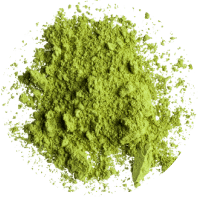
L-Theanine
An amino acid from tea leaves that has a calming effect. Benefit for allergies and itching relief for the animal as well as to have a calming effect.
L-Theanine
This study showed a reduction in specific behaviours related to demonstration of anxiety in dogs (panting, drooling, lip licking, yawning, drawing the attention of the owner, vocalizing, exhibiting compulsive behaviours) was observed only in those given L-theanine. This is suggestive of the fact that L-Theanine may be useful in the treatment of sound phobias in the dog.
→ Effectiveness of L-theanine and behavioral therapy in the treatment of noise phobias in dogs. Michelazzi, M. et al (2010). Journal of Veterinary Behavior, 5(1), 34–35
Want to learn more about this amazing amino acid and its effects? See more through these 18 articles:
Effects of L-Theanine Administration on Stress-Related Symptoms and Cognitive Functions in Healthy Adults: A Randomized Controlled Trial. Hidese, S. et al (2019). Nutrients, 11(10), 2362. Effects of chronic l-theanine administration in patients with major depressive disorder: an open-label study. Hidese, S. et al (2017). Acta Neuropsychiatr, 29(2), 72–79. In Search of a Safe Natural Sleep Aid. Rao, T. P. et al (2015). Journal of the American College of Nutrition, 34(5), 436–447 Effect of L-theanine on sensorimotor gating in healthy human subjects. Ota, M. et al (2014). Psychiatry Clin Neurosci, 68(5), 337–343 Anti-stress effect of theanine on students during pharmacy practice: Positive correlation among salivary α-amylase activity, trait anxiety and subjective stress. Unno, K. et al (2013). Pharmacology Biochemistry and Behavior, 111, 128–135 Effects of L-theanine or Caffeine Intake on Changes in Blood Pressure Under Physical and Psychological Stresses. Yoto, A. et al (2012). J Physiol Anthropol, 31(1), pp. 28. Assessing the effects of caffeine and theanine on the maintenance of vigilance during a sustained attention task Foxe, J. J. et al (2012). Neuropharmacology, 62(7), 2320–2327. Kinetics of L-Theanine Uptake and Metabolism in Healthy Participants Are Comparable after Ingestion of L-Theanine via Capsules and Green Tea. Scheid, L. et al (2012). , 142(12), 2091–2096. A Combination of Green Tea Extract and l-Theanine Improves Memory and Attention in Subjects with Mild Cognitive Impairment: A Double-Blind Placebo-Controlled Study. Park, S. K. et al (2011). Journal of Medicinal Food, 14(4), 334–343. The Effects of Suntheanine® on Objective Sleep Quality in Boys with Attention Deficit Hyperactivity Disorder (ADHD): a Randomized, Double-blind, Placebo-controlled Clinical Trial. Lyon, M.R. et al (2011). Alt Med Rev, 16 (4), pp. 348 - 354. Higashiyama, A., Htay, H. H., Ozeki, M., Juneja, L. R., & Kapoor, M. P. (2011). Effects of l-theanine on attention and reaction time response. Higashiyama, A. et al (2011). Journal of Functional Foods, 3(3), 171–178. Effects of Green Tea Catechins and Theanine on Preventing Influenza Infection among Healthcare Workers: A Randomized Controlled Trial. Matsumoto, K. et al (2011). BMC Complement Altern Med, 11(1). Theanine intake improves the shortened lifespan, cognitive dysfunction and behavioural depression that are induced by chronic psychosocial stress in mice. Unno, K. et al (2011). Free Radic Res., 45(8), 966–974. Cystine and Theanine Supplementation Restores High-Intensity Resistance Exercise-Induced Attenuation of Natural Killer Cell Activity in Well-Trained Me. Kawada, S. et al (2010). Journal of Strength and Conditioning Research, 24(3), 846–851. Effects of Oral Supplementation with Cystine and Theanine on the Immune Function of Athletes in Endurance Exercise: Randomized, Double-Blind, Placebo-Controlled Trial. Murakami, S. et al (2009). Bioscience, Biotechnology, and Biochemistry, 73(4), 817–821. Standardized capsule of Camellia sinensis lowers cardiovascular risk factors in a randomized, double-blind, placebo-controlled study. Nantz, M. P. et al (2009). Nutrition, 25(2), 147–154. The Effects of l-theanine on Alpha-Band Oscillatory Brain Activity During a Visuo-Spatial Attention Task. Gomez-Ramirez, M. et al (2009). Brain Topogr, 22(1), 44–51. Bioactive Food Components that Enhance γδ T Cell Function May Play a Role in Cancer Prevention. Percival, S. S. et al (2008). The Journal of Nutrition, 138(1), 1–4.CarniKing™
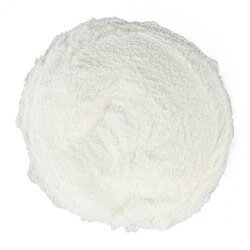
CarniKing™
Improves cellular energy production; helps the dog with stressful activities and helps maintain a strong immune system
CarniKing™
The findings of this 2 year study indicate a significant advantage for L-carnitine-supplemented dogs in preventing the loss of proteins that are indicative of muscle inflammation during strenuous exercise. Supplementing L-carnitine in the form of CarnikingTM had positive benefits in Labrador retrievers for activity intensity, body composition, muscle recovery and oxidative capacity.
→ Utilisation of supplemented l-carnitine for fuel efficiency, as an antioxidant, and for muscle recovery in Labrador retrievers. Varney, J. L. et al. Journal of Nutritional Science (2017), vol. 6, e8, p.1-9.
Want to learn more about this exceptional extract and its effects? See more through these 19 additional articles:
Carnitine supplementation to obese Zucker rats prevents obesity-induced type II to type I muscle fiber transition and favors an oxidative phenotype of skeletal muscle Couturier, A. et al (2013). Nutrition & Metabolism, 10(1), p. 48. Influence of Dietary Supplementation With (L)-carnitine on Metabolic Rate, Fatty Acid Oxidation, Body Condition, and Weight Loss in Overweight Cats. Center, S. A. et al (2012). American journal of veterinary research, 73(7), pp. 1002–1015. Acetyl‐L‐carnitine and α‐lipoic acid supplementation of aged beagle dogs improves learning in two landmark discrimination tests Milgram, N. W. et al (2007). FASEB j., 21(13), pp. 3756–3762. Identification of a canine model of pyruvate dehydrogenase phosphatase 1 deficiency Cameron, J. M. et al (2007). Molecular Genetics and Metabolism, 90(1), pp. 15–23. Supplemental Conditionally Essential Nutrients in Cardiovascular Disease Therapy. Kendler, B. S. et al (2006). Journal of Cardiovascular Nursing, 21(1), pp. 9–16. Therapeutic Effects of l-Carnitine and Propionyl-l-carnitine on Cardiovascular Diseases: A Review Ferrari, R. et al (2004). , 1033(1), pp. 79–91 Evolution of blood parameters during weight loss in experimental obese Beagle dogs Diez, M. et al (2004). J Anim Physiol Anim Nutr, 88(3–4), pp. 166–171. L-carnitine protects gastric mucosa by decreasing ischemia-reperfusion induced lipid peroxidation. Journal of physiology and pharmacology Derin, N. et al (2004). Journal of the Polish Physiological Society, 55(3), pp. 595–606. Role of L-carnitine in the prevention of acute liver damage induced by carbon tetrachloride in rats Demirdag, K. et al (2004). J Gastroenterol Hepatol, 19(3), pp. 333–338. Long-term treatment with antioxidants and a program of behavioral enrichment reduces age-dependent impairment in discrimination and reversal learning in beagle dogs Milgram, N. W. et al (2004). Experimental Gerontology, 39(5), pp. 753–765. Changes in Kinetics of Carnitine Palmitoyltransferase in Liver and Skeletal Muscle of Dogs (Canis familiaris) throughout Growth and Development Lin, X. et al (2003). , 133(4), pp. 1113–1119. Pharmacokinetics of L-Carnitine Evans, A. M. et al (2003). Clinical Pharmacokinetics, 42(11), pp. 941–967. Fat nutrition and metabolism in piglets: a review Gu, X. et al (2003). Animal Feed Science and Technology, 109(1–4), pp. 151–170. Effect of L-Carnitine on Weight Loss and Body Composition of Rats Fed a Hypocaloric Diet Brandsch, C. et al (2002). Ann Nutr Metab, 46(5), pp. 205–210. Dietary l-Carnitine Supplementation in Obese Cats Alters Carnitine Metabolism and Decreases Ketosis during Fasting and Induced Hepatic Lipidosis Blanchard, G. et al (2002). , 132(2), pp. 204–210. Carnitine: A Review. Carroll, M.C. et al (2001). Small animal / exotics compendium, 23 (1). Case Report: Efficacy of Oral Carnitine Therapy for Dilated Cardiomyopathy in Boxer Dogs Costa, N. D. et al (1994). , 124(suppl_12), pp. 2687S-2692S. Prevention of postischemic canine neurological injury through potentiation of brain energy metabolism by acetyl-L-carnitine. Rosenthal, R. E. et al (1992). Stroke, 23(9), pp. 1312–1317. Myocardial L-carnitine Deficiency in a Family of Dogs With Dilated Cardiomyopathy. Keene, B. W. et al (1991). Journal of the American Veterinary Medical Association, 198(4), pp. 647–650.Tasco®
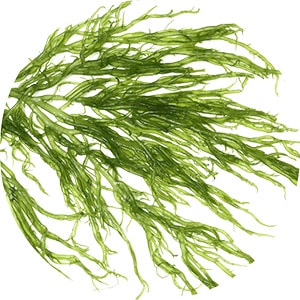
Tasco®
This powerful Canadian sea kelp features a unique combination of prebiotic fibers, antioxidants, and protective compounds that support the immune system and help pets biochemically prepare for immune resilience.
Tasco®
Tasco, the Superfood of the Sea, is derived from a species of brown kelp that has adapted and thrives in one of the harshest environments on earth. Tasco is harvested and solar dried to ensure the protective molecules are not damaged. These protective molecules are then passed onto the pet when fed. These nutrients give Tasco its superfood quality by helping promote proper digestive and immune health, acting as an antioxidant and promoting stress reduction. Ultimately, Tasco is a cost effective way to improve any companion animal diet across all life stages.
Features Benefits Contains 100% Ascophyllum nodosum, the most researched specialty marine plant on the market GI support - unique dietary fiber profile acts as prebiotic supporting normal digestive function Manually harvested to guarantee the sustainability of this valuable resource and protection of its ecosystem Immunity defense - dietary fiber and polyphenolic compounds support the immune system Solar dried to maintain the natural compounds that give Tasco its unique properties ROS protection - polyphenolics, flavonoids and fucoxanthan act as antioxidants within the GI tract Low inclusion rates that are proven effective in in vivo trials Stress reduction - bioactive molecules support the animal’s natural ability to resist stressEggMotion™

EggMotion™
The ultimate supplement, EggMotion™ has antibodies that help to reduce the amount of exposure to harmful pathogens in the gut of your dog.
EggMotion™
This study showed the addition of IgY in the diet of healthy dogs maintains the microbial balance and has an interesting effect on microbial metabolites. Read the details here:
→ Inclusion of IgY in a dog's diet has moderate impact on the intestinal microbial fermentation. Scheraiber M, Grześkowiak Ł, Zentek J, Barbosa FF, Félix AP, da Silva AVF. J Appl Microbiol. 2019 Oct;127(4):996-1003.
Want to learn more about this incredible ingredient and its effects? See more through these 7 science articles:
Research Note: Lyophilization of hyperimmune egg yolk: effect on antibody titer and protection of broilers against Campylobacter colonization. Vandeputte J, Martel A, Antonissen G, Verlinden M, De Zutter L, Heyndrickx M, Haesebrouck F, Pasmans F, Garmyn A. Poult Sci. 2020 Apr;99(4):2157-2161. Passive immunization with hyperimmune egg-yolk IgY as prophylaxis and therapy for poultry diseases--A review. Gadde U, Rathinam T, Lillehoj HS. Anim Health Res Rev. 2015 Dec;16(2):163-76. doi: 10.1017/S1466252315000195. Epub 2015 Nov 16. Alternatives to antibiotics for maximizing growth performance and feed efficiency in poultry: a review. Gadde U, Kim WH, Oh ST, Lillehoj HS. Anim Health Res Rev. 2017 Jun;18(1):26-45. doi: 10.1017/S1466252316000207. Epub 2017 May 9. Hyperimmune egg powder for the treatment of irritable bowel syndrome: A case series. Morningstar MW. J Chiropr Med. 2004 Winter;3(1):12-4. Reducing Campylobacter jejuni colonization in broiler chickens by in-feed supplementation with hyperimmune egg yolk antibodies. Vandeputte J, Martel A, Canessa S, Van Rysselberghe N, De Zutter L, Heyndrickx M, Haesebrouck F, Pasmans F, Garmyn A. Sci Rep. 2019 Jun 20;9(1):8931. doi: 10.1038/s41598-019-45380-z. Induction of passive immunity in broiler chickens against Eimeria acervulina by hyperimmune egg yolk immunoglobulin Y. Lee SH, Lillehoj HS, Park DW, Jang SI, Morales A, García D, Lucio E, Larios R, Victoria G, Marrufo D, Lillehoj EP. Poult Sci. 2009 Mar;88(3):562-6. Pilot study on the effect of hyperimmune egg protein on elevated cholesterol levels and cardiovascular risk factors. Karge WH, Deluca JP, Marchitelli LJ, Champagne C, Tulley R, Rood J, Paulos MA, Lieberman HR. J Med Food. 1999;2(2):51-63.EpiCor®
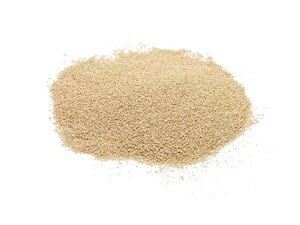
EpiCor®
Metabolites from a stressed yeast that is known to help balance the immune response and to reduce IGE formation, an immune molecule related to allergies.
EpiCor®
The findings of this study show that EpiCor fermentate was able to modulate the composition of the gut microbiome, resulting in improvement of constipation-associated symptoms. Conversely, the reported increase in bowel movements may have altered the gut microbial community by increasing those groups of bacteria that are better adapted to a faster gastrointestinal transit time.
→ A yeast fermentate improves gastrointestinal discomfort and constipation by modulation of the gut microbiome: results from a randomized double-blind placebo-controlled pilot trial Iris Pinheiro, Larry Robinson, An Verhelst, Massimo Marzorati, Björn Winkens, Pieter Van den Abbeele, Sam Possemiers. BMC Complement Altern Med. 2017; 17: 441.
Want to learn more about this powerful yeast and its effects? See more through these 15 articles:
Anti-Inflammatory Properties of a Dried Fermentate In Vitro and In Vivo Gitte S. Jensen, Steve G. Carter, Stuart G. Reeves, Larry E. Robinson, Kathleen F. Benson J Med Food. 2015 Mar 1; 18(3): 378–384. doi: 10.1089/jmf.2013.0158 A Dried Yeast Fermentate Prevents and Reduces Inflammation in Two Separate Experimental Immune Models Malkanthi Evans, Stuart Reeves, Larry E. Robinson Evid Based Complement Alternat Med. 2012; 2012: 973041. Published online 2012 Apr 5. doi: 10.1155/2012/973041 Immunogenic Yeast-Based Fermentate for Cold/Flu-like Symptoms in Nonvaccinated Individuals Mark A. Moyad, Larry E. Robinson, Edward T. Zawada, Jr., Julie Kittelsrud, Ding-Geng Chen, Stuart G. Reeves, Susan Weaver. J Altern Complement Med. 2010 Feb 1; 16(2): 213–218. Published online 2019 May 3. Antioxidant Bioavailability and Rapid Immune-Modulating Effects After Consumption of a Single Acute Dose of a High-Metabolite Yeast Immunogen: Results of a Placebo-Controlled Double-Blinded Crossover Pilot Study Gitte S. Jensen, Kimberlee A. Redman, Kathleen F. Benson, Steve G. Carter, Marcie A. Mitzner, Stuart Reeves, Larry Robinson. J Med Food 2010, 14, 1002–1010. Responses to an intra-articular lipopolysaccharide challenge following dietarysupplementation of Saccharomyces cerevisiae fermentation product in young horses RE Martinez et al. J Anim Sci (2021) Schauss, A. G.; Vodjani, A., Discovery of edible fermentation product with unusual immune enhancing properties in humans. FASEB J 2006, 20 (4), A143. [Online reference: https://www.fasebj.org/doi/abs/10.1096/fasebj.20.4.A143-c] Jensen, G. S., et al. An anti-inflammatory immunogen from yeast culture induces activation and alters chemokine receptor expression on human natural killer cells and B lymphocytes in vitro. Nutrition Research 2007, 27, 327-335. [Online reference: https://www.researchgate.net/publication/257104459] Moyad, M. A., et al. Effects of a modified yeast supplement on cold/flu symptoms. Urol Nurs 2008, 28 (1), 50-5. [Online reference: http://www.ncbi.nlm.nih.gov/pubmed/18335698] Jensen, G. S., et al. A double-blind placebo-controlled, randomized pilot study: consumption of a high-metabolite immunogen from yeast culture has beneficial effects on erythrocyte health and mucosal immune protection in healthy subjects. Open Nutr J 2008, 2, 68-75. [Online reference: https://opennutritionjournal.com/VOLUME/2/PAGE/68/ABSTRACT/] Honzel, D, et al. Comparison of chemical and cell-based antioxidant methods for evaluation of foods and natural products: generating multifaceted data by parallel testing using erythrocytes and polymorphonuclear cells. J Agric Food Chem 2008, 56 (18), 8319-25. [Online reference: https://www.ncbi.nlm.nih.gov/pmc/articles/PMC6498863] Moyad, M. A., et al. Immunogenic yeast-based fermentation product reduces allergic rhinitis-induced nasal congestion: a randomized, double-blind, placebo-controlled trial. Adv Ther 2009, 26 (8), 795-804. [Online reference: https://www.ncbi.nlm.nih.gov/pubmed/19672568] Possemiers, S., et al. A dried yeast fermentate selectively modulates both the luminal and mucosal gut microbiota and protects against inflammation, as studied in an integrated in vitro approach. J Agric Food Chem 2013, 61 (39), 9380-9392. [Online reference: http://www.ncbi.nlm.nih.gov/pubmed/24006902] Marzorati, M., et al. The HMI module: a new tool to study the Host-Microbiota Interaction in the human gastrointestinal tract in vitro. BMC Microbiol 2014, 14 (1), 133. [Online reference: http://www.ncbi.nlm.nih.gov/pmc/articles/PMC4039060/] Durcray, H.A.G., et al. Mitigation of heat stress-related complications by a yeast fermentate product. Jl Therm Bio 2016 , 60,26–32. [Online reference: https://www.ncbi.nlm.nih.gov/pubmed/27503713] Ducray, H.A.G., et al. Yeast fermentate prebiotic improves intestinal barrier integrity during heat stress by modulation of the gut microbiota in rats. J Appl Microbiol 2019, 127, 1192—1206. [Online reference: https://www.ncbi.nlm.nih.gov/pubmed/31230390]
